Filtered Water vs Bottled Water: Which is Better for You?
Bottled. Filtered. Straight from the tap. There’s never been such a wide range of options for your drinking water. Then there are the bottled water varieties, including spring, distilled and purified. So which is best for you? Let’s dive into the drinking water debate for some answers.
What is filtered water?
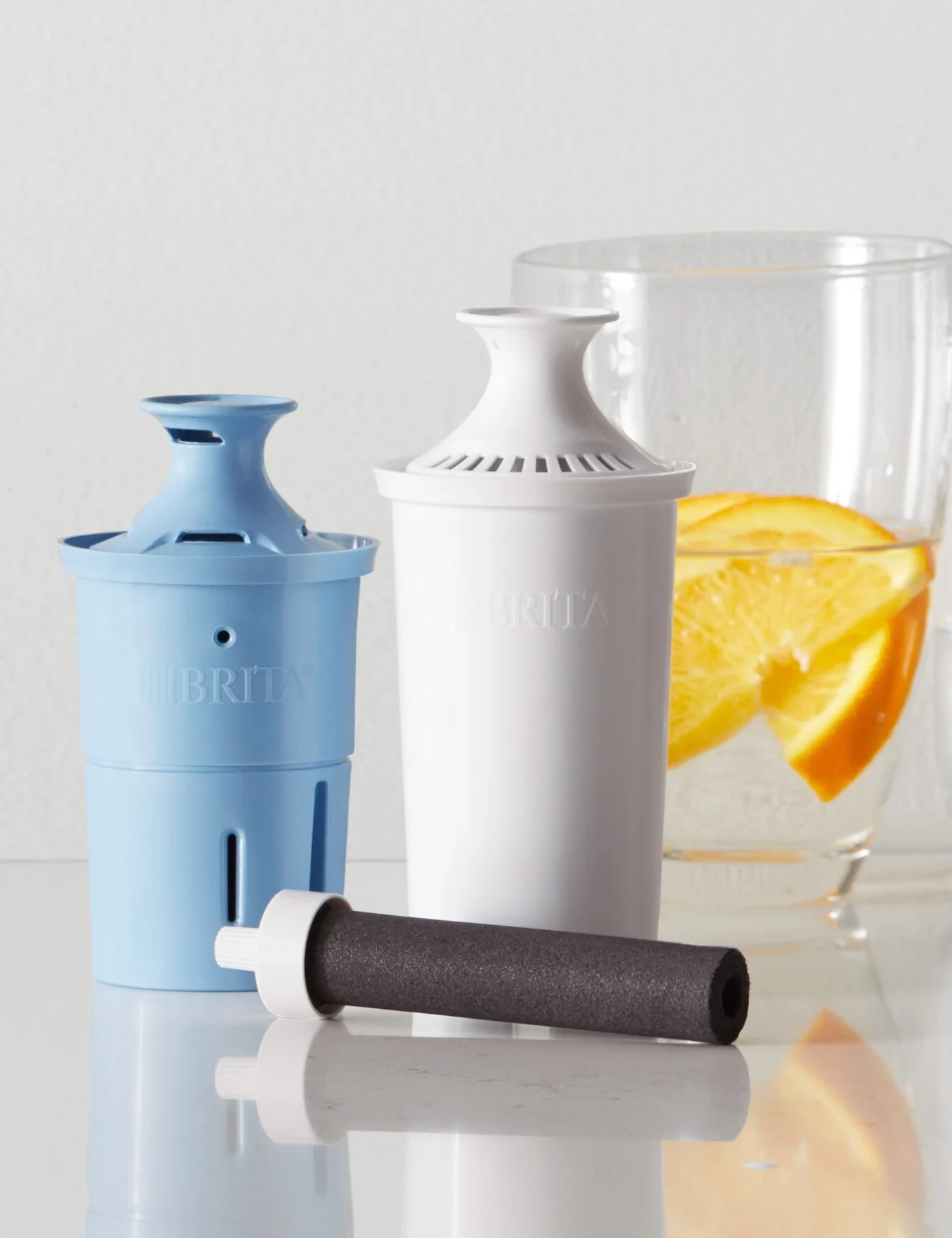
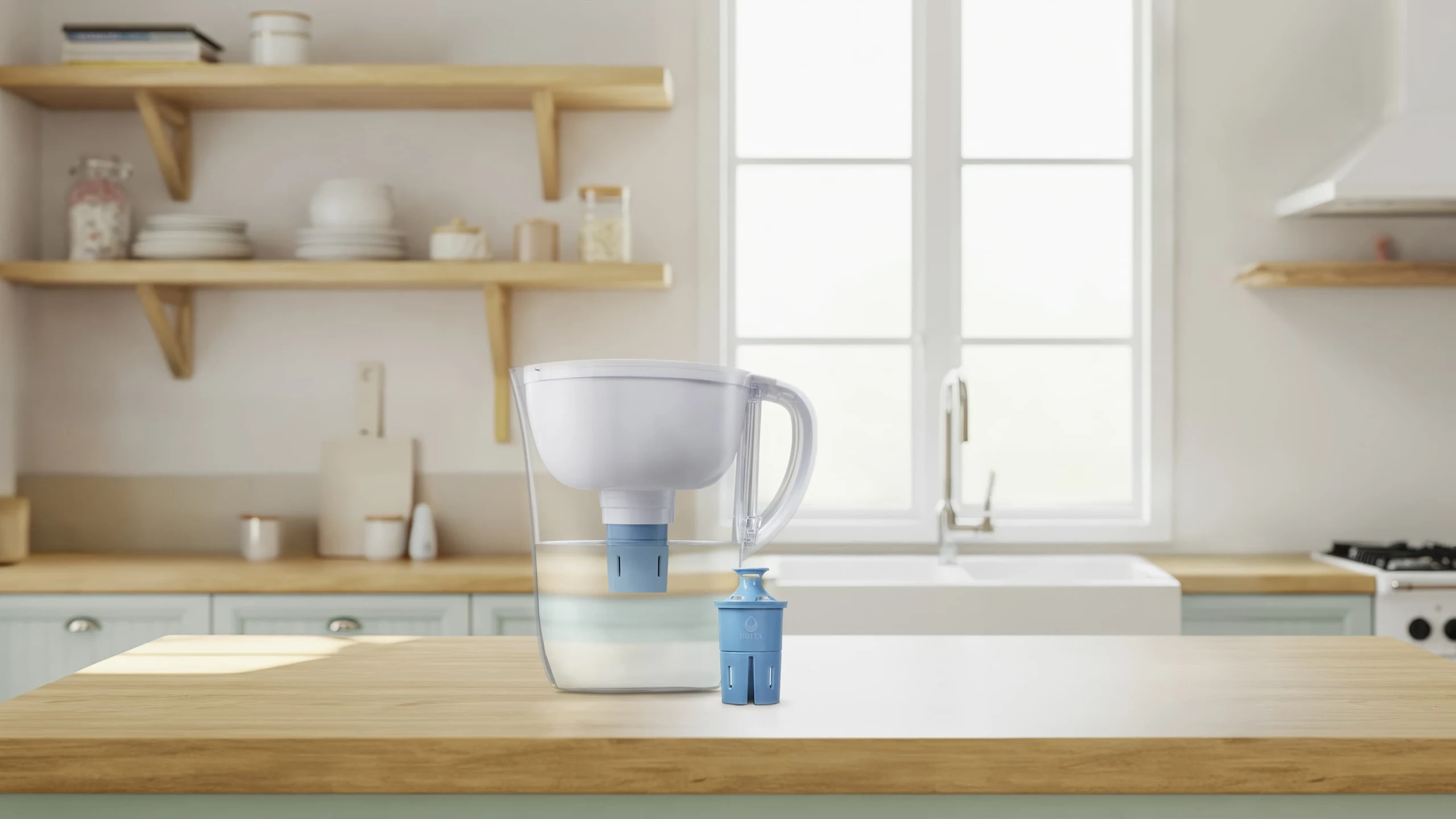
Water can be filtered by using a physical barrier, biological process, or chemical process intended to remove or lower the amount of impurities present. Each process is effective in removing certain types of impurities that otherwise effect taste and drinkability. The most popular method for filtering household water is known as activated carbon filtering, which involves pushing water through a physical and chemical carbon barrier which acts like a magnet trapping impurities into the carbon. It’s the foundational process used by all Brita™ pitchers, bottles and dispensers. Learn about the common impurities Brita can help filter out of your tap water.
What are the benefits of filtered water?
-
Health: Many filters remove or reduce health contaminants that can be found in tap water which may include lead, copper, mercury and more. Check the packaging or contaminant chart to see whether the filter is focused on contaminant reduction vs. taste only.
-
Taste: Common impurities such as chlorine and zinc can make water bitter and unpleasant to drink. Activated carbon filters can make your water taste great, and even improve coffee and tea.
-
Sustainability: People in the U.S. use 2,000 disposable water bottles every second, and that’s a lot of single-use plastic waste. In one year, you can prevent generating up to 1,800 water bottles* of single-use plastic waste with just 2 Brita Elite™ Filters.*
-
Value: You’ll see significant cost savings when you ditch bottled water for filtered. In fact, switching to Brita Elite™ filtered water can help you save $240 a year.†
Where does bottled water come from?
Bottle labels can be confusing, even misleading, making it difficult for consumers to know how water is sourced, treated or handled. The truth is, bottled water can be processed, treated, packaged and distributed in a variety of ways depending on manufacturer. And while we spend $13 billion annually on bottled water, some of it is simply processed tap water.‡
Bottled water and the environment
Every minute, a dump truck’s worth of plastic ends up in the world’s oceans, according to an estimate from World Economic Forum in “The New Plastics Economy.” Plastic water bottles take 450 years to decompose, which can result in harmful chemicals leaching into the ground and our water sources.§
Filter water vs. bottled water
Although both filtered water and bottled water can provide healthier, better-tasting water, the cost-effectiveness and smaller environmental impact of filtered water beats out bottled water at every turn. And when you consider the convenience and accessibility of home-filtered tap water, it’s difficult to justify paying for single-use plastic water bottles. To learn more about how filtered water can improve your life, visit our Why Brita™ page.
FAQs
Is distilled water the same as filtered water?
- No, distilled water and filtered water are not the same. Distillation involves boiling water into steam and then condensing it back into liquid, removing most impurities—including minerals. Filtered water, on the other hand, passes through a physical or chemical barrier to remove contaminants while often retaining healthy minerals.
Is purified water the same as filtered water?
- Purified water is a broader term that refers to water that has undergone extensive treatment to remove nearly all impurities, which can include filtration, reverse osmosis, or distillation. Filtered water specifically refers to water that’s passed through filters to reduce contaminants but may not meet the strict purity standards of purified water.
How do water filters work?
- Water filters use physical and chemical processes to reduce impurities in tap water. Brita® filters work through activated carbon, which binds to contaminants like chlorine and lead as water passes through — plus ion exchange resin in the Original filter and a pleated media design in the Elite™ filter for enhanced contaminant reduction.
Can bottled water go bad?
- Yes, bottled water can go bad over time, especially if stored improperly. While the water itself doesn’t spoil, chemicals from the plastic bottle can leach into the water if it's exposed to heat or sunlight, affecting taste and safety.
Is bottled water distilled?
- Not all bottled water is distilled. Some brands use distilled water, but many others use spring, mineral, or purified tap water that may be filtered or treated differently. Always check the label to know the water source and treatment method.
*Standard 16.9 oz. bottles.
† Versus 16.9 oz. bottled water. Savings assuming pre‑purchase of Brita® system.
‡ Beverage Marketing Corporation, 2022.
§ Source: NOAA Woods Hole Sea Grant Marine Debris Poster.