
Brita vs Top Competitors: Which Filter Removes Lead Best?
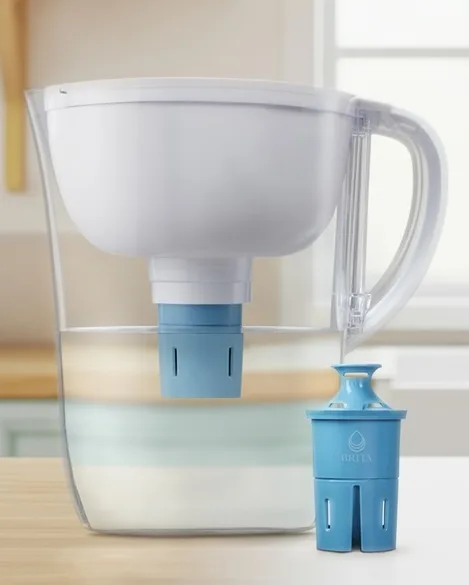
It doesn’t have to be complicated to pick a water filter for lead reduction. A great starting point is choosing a filter with certification that supports the performance it claims. Lead in tap water is invisible and dangerous, so it’s important to choose a filter that’s tested and certified to reduce lead. Equally important is finding what filters and devices fit in with your budget and lifestyle. Brita offers affordable filters that help reduce select contaminants. For households concerned about lead, the Brita Elite™ Filter is certified to reduce 99% of lead when used as directed.
We’ll be comparing Brita with top competitors so you can decide what’s right for your home and figure out which filters are certified for lead reduction.
Understanding Lead in Drinking Water
Lead is a toxic heavy metal that can enter drinking water from aging pipes, solder, and plumbing fixtures, potentially increasing health risks, especially to children and pregnant women. Lead is tasteless and colorless, so water can contain harmful levels even if it looks and tastes normal. That’s why testing and using certified filters are important, according to EPA guidance on lead in drinking water. EPA guidance on lead in drinking water links lead exposure to developmental delays in children and to cardiovascular, kidney, and reproductive issues in adults. Potential things to watch for (from long-term exposure):
- Developmental and learning problems in children
- Elevated blood pressure and kidney effects in adults
- Pregnancy complications If you’re concerned about lead in tap water, check your local water report and consider a filter certified for lead reduction.
How Water Filters Reduce Lead
Different technologies tackle lead in different ways. Understanding the basics helps you comb through product claims with more confidence.
- Activated carbon + ion exchange: Many filters use a combo of activated carbon and ionexchange resin. The carbon helps trap particulates and certain chemicals, while the ion exchange resin trades safe ions for heavy metal ions like lead to help reduce them in your water when used as directed.
- Multi-stage filters: Some filters layer different types of filters (like sediment, carbon, resin) to target a wider range of contaminants. How well they work depends on specific design and certification of each filter.
- Reverse osmosis (RO): Reverse osmosis systems push water through a semi-permeable membrane to remove a wide range of contaminants, including lead, to levels verified under NSF/ANSI 58 certification.
Filters don’t last forever. As filters trap more contaminants—and depending on your tap water’s chemistry (things like hardness and pH)—their performance can start to drop off over time. That's why replacing filters per instructions is important to keep your system working at its best.
Certification and Testing Standards for Lead Removal?
When you’re choosing a water filter for lead reduction, certifications matter. NSF/ANSI certification standards exist to confirm a filter has been tested by an independent lab and can reduce contaminants like lead to the levels it claims. Here's what to look for: NSF International, Water Quality Association (WQA), or IAPMO marks on the packaging. A model-specific listing, since certification applies to specific filters and not entire brands. A clear callout for NSF/ANSI 53 certified for lead reduction.
Understanding the certifications:
• NSF/ANSI 53: Lead and other health-related contaminant reduction
• NSF/ANSI 58: For reverse osmosis systems
• NSF/ANSI 42: Aesthetic improvements like taste and odor
• NSF/ANSI 401: Covers emerging contaminants. As an example, Brita Elite filters are NSF/ANSI 53–certified for lead reduction, which means they’ve gone through this independent testing and earned the certification.
Comparing Brita and Competitor Filters for Lead Reduction
The Brita Elite filter—is certified under NSF/ANSI 53 standards for lead reduction and other contaminants, and they're built to last a long time (about six months or 120 gallons). Below is a snapshot of how popular options stack up on verified lead reduction and real-world trade-offs.
| Brand/Filter | Filter type | Lead reduction verification | Rated filter life | Notable trade-offs |
|---|---|---|---|---|
| Brita Elite (pitcher) | Activated carbon | NSF/ANSI 53 for lead; certified to reduce 99% of lead when used as directed | ~120 gallons / ~6 months | Must use the Elite (lead reducing) cartridge, not Standard |
| Culligan with ZeroWater Technology Filter (pitcher) | 5-stage, multi-media | Verify NSF/ANSI 53 certification for lead reduction per model | ~20 gallons | Includes TDS meter; total dissolved solids reduction; flow rate may slow as filter loads |
| Aquagear (pitcher) | Carbon-based | Some models cite independent lab tests; verify NSF/ANSI 53 certification | Varies | Boutique brand; check official NSF databases—certification varies by model |
Brita Elite and Pitcher Filters
The Brita Elite filter is designed for reliable lead reduction and everyday ease. It’s certified for lead reduction under NSF/ANSI 53 and carries other helpful NSF/ANSI certifications. It also comes with perks you’ll actually notice like quick pour times and availability at many retailers. Just a heads up: Brita Elite (not the Brita Standard filter) is the one certified for lead reduction.
ZeroWater Multi-Stage Pitchers ZeroWater pitchers use a five-stage filter designed to reduce dissolved solids and include a handheld TDS meter so you can see dissolved solids levels for yourself. This setup can help reduce minerals and lead, but there are trade-offs: flow may be slower depending on water quality, and filters may wear out faster in high-TDS areas, which can increase annual costs.
ZeroWater may be an option for users prioritizing dissolved solids reduction, with trade-oAs in flow and filter life depending on water quality.
Aquagear and Similar Pitcher Filters Pitcher filters like Aquagear often highlight material quality and reference third-party test data without specifying certification, so it’s important to focus on official listings rather than claimed performance.
Instead of relying on design preference or brand positioning, users should focus on whether a specific filter is certified for lead reduction.
Before relying on any filter for lead reduction, confirm the exact filter model is certified for NSF/ANSI 53 lead reduction in an official database (such as NSF’s listings) or validated by a reputable testing source.
Performance Trade-OGs: Cost, Speed, and Maintenance
Cost: Brita Elite filters have a long life that can help keep yearly costs down, depending on your water quality and how much you use it.
Speed: Pour speed may be helpful for frequent refilling, but it can vary based on filter design, media, and local water conditions.
Maintenance: Brita Elite filters are designed to last about six months or 120 gallons per filter.
Choosing the Right Filter for Your Needs
Certified, affordable lead reduction: A filter with NSF/ANSI 53 certification for lead reduction, like the Brita Elite filter, is a convenient choice to use in your Brita pitcher. As a point of comparison, the Culligan ZeroWater filter removes 28 contaminants (including lead) and lasts 6 months, and the PUR PLUS filter removes 21 contaminants (including lead) and only lasts 2 months. Based on contaminant reduction and replacement value, Brita Elite is the clear choice for a lead reduction filter.
Broader contaminant reduction: A certified RO system includes multiple filtration stages and can support broader contaminant reduction needs, depending on water quality and what you want to address.
Reduce dissolved solids: Multi-stage filters like ZeroWater are designed to reduce dissolved solids, though they come with trade-oAs in speed and filter life.
There's no one "best" filter for everyone. Match the filter to your needs, double-check certification, and choose the option that fits your home, budget, and routine. For help selecting, explore Brita’s filter technology overview to compare certified options and browse our full lineup of water pitchers.
Proper Use and Maintenance for Effective Lead Reduction
Confirm certification: Check the packaging and performance data sheet for NSF/ANSI 53 for lead reduction, and if needed check the certifying lab listing for a filter model number.
Install correctly: Flush the filter if instructed.
Track usage: Replace on schedule—follow the filter’s gallon/time rating, Brita Elite lasts six months or roughly 120 gallons depending on use and water quality.
Pay attention to changes: If your water’s taste, odor or clarity changes, replace the filter.
Use genuine parts: Stick with certified replacement filters.
Keep it clean: Remember to clean reservoirs and seals regularly. Filter effectiveness can change with water quality and usage; periodic checks can help maintain performance.
FAQs
How do I know if my water filter reduces lead? Look for NSF/ANSI 53 or NSF/ANSI 58 certification that explicitly lists lead reduction, or a third-party lab seal.
What should I look for in a filter to ensure lead reduction? Confirm the model is NSF/ANSI 53 certified for lead reduction and check official listings.
How often should I replace my water filter cartridge? The Brita Elite filter should be replaced about every six months or 120 gallons, while competition filter replacement ranges from 2-6 months
Can all water filters reduce lead to certified levels? Only certain technologies—such as certified reverse osmosis (RO) systems or certified lead-reducing filters—can reduce lead to certified performance levels.
Does the taste of water indicate lead contamination? Lead is tasteless and odorless, so testing and certified filtration are required.